

Vegas Aviation Team
FAA Private Pilot Checkride Prep: Oral and Flight Test
The FAA Private Pilot checkride has a way of making even strong students feel like they are walking into the unknown. You have flown the maneuvers, passed the knowledge test, studied weather and airspace, and built the habits your instructor has been shaping for months. Then checkride week arrives, and the question changes from “Can I fly?” to “Can I prove I am ready to be pilot in command?”
That is the right question. The checkride is not just an aviation quiz followed by a flight. For a Private Pilot Certificate, the oral and practical test ask you to explain your decisions, manage risk, control the airplane, and show that you can use good judgment without an instructor in the right seat.
At Vegas Aviation, we want checkride prep to feel serious without feeling mysterious. Here is a practical way to prepare for your PPL checkride so you arrive organized, current, and ready to show the pilot habits you have been building.
Start With the ACS, Not a Random Question Bank
The best checkride prep begins with the standard your examiner will use. For airplane applicants, that standard is the FAA Private Pilot Airman Certification Standards, commonly called the ACS. It organizes the checkride into knowledge, risk management, and skill elements.
That matters because the oral portion is not supposed to be a pile of disconnected trivia. It is usually a conversation about whether you can apply what you know to a real flight. If your planned route crosses busy airspace, climbs into summer density-altitude conditions, or requires a fuel decision, you should be ready to explain what you would do and why.
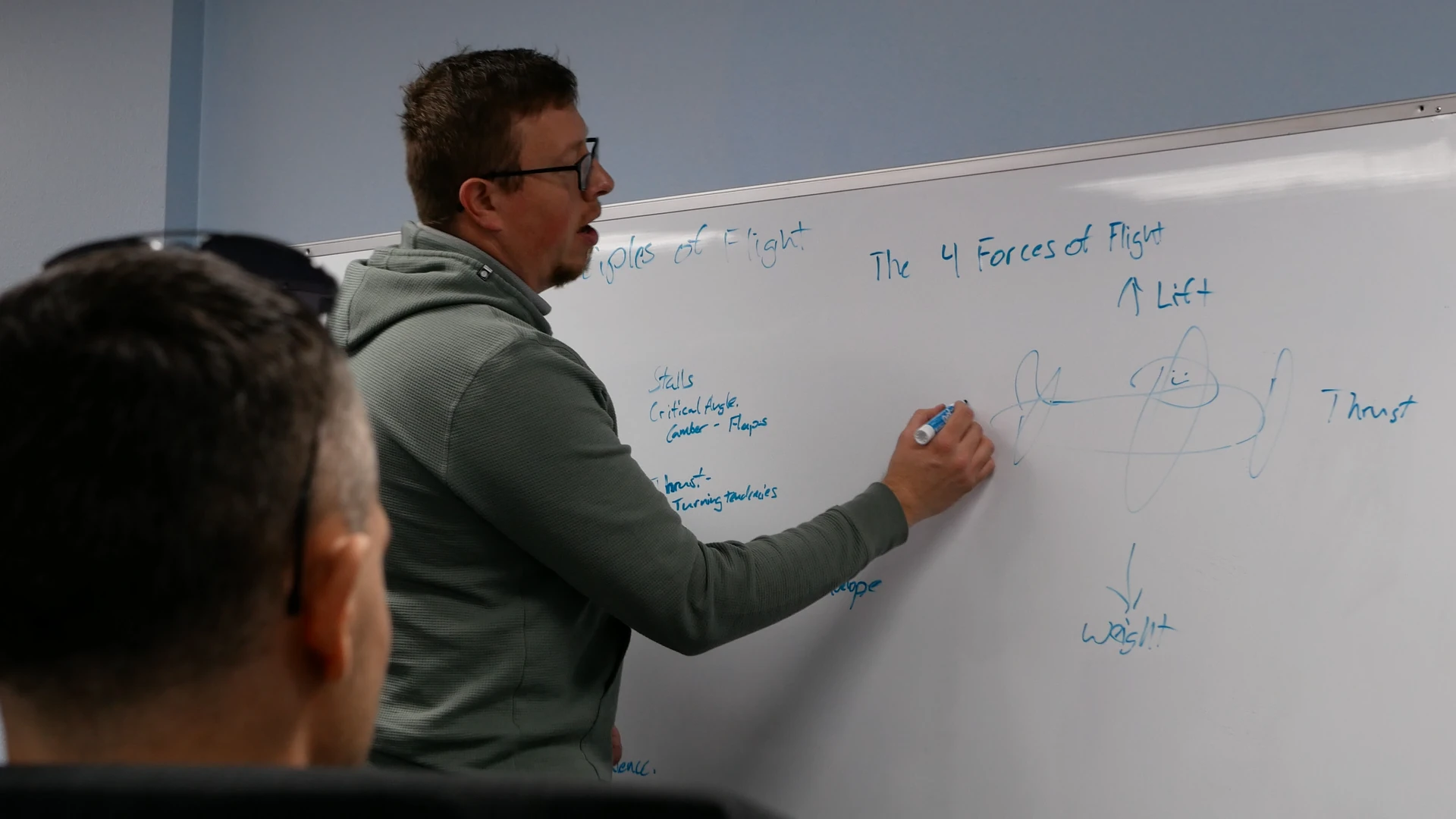
Strong checkride prep connects book knowledge to real decisions you will make as pilot in command.
Use the ACS as your map while you prepare:
- Knowledge
Can you explain the rule, system, chart, weather product, or performance concept? - Risk management
Can you identify what could go wrong and make a conservative plan? - Skill
Can you fly the airplane within the published standards while staying ahead of it?
Make the ACS your daily checklist instead of trying to memorize every possible question someone has posted online.
Build Your Oral Prep Around Scenarios
A good oral exam answer usually sounds like a pilot thinking out loud, not a student reciting a paragraph. You still need facts, but facts get stronger when you can use them in context. For example, knowing cloud clearance rules is useful. Explaining whether today’s route, weather, aircraft performance, fuel plan, and alternates make sense is better.
Build your oral prep around common private pilot decisions:
- Weather
Can you brief the conditions, identify hazards, and decide whether the flight should launch? - Airspace
Can you explain the airspace on your route, communication requirements, equipment needs, and altitude choices? - Aircraft systems
Can you describe how your training aircraft works well enough to handle abnormal indications? - Performance
Can you use the POH to calculate takeoff, climb, landing, weight and balance, and fuel planning? - Regulations
Can you apply private pilot privileges, limitations, currency, passenger rules, and required documents? - Risk management
Can you explain personal minimums, external pressure, density altitude, fatigue, and go/no-go decisions?
This is where ground instruction pays off. Sit with your instructor and talk through a real cross-country plan. Have them interrupt you with “what if” questions. What if the wind shifts? What if the destination ceiling drops? What if the passenger gets nervous? What if the airplane does not climb the way you expected?
The goal is to show that you can notice risk early, use your resources, and make a safe decision before the airplane forces one on you.
Treat Documents Like Part of the Test
Checkride day can get stressful fast if the first problem is paperwork. Your instructor should help you verify the exact document stack for your situation, aircraft, and training path before the appointment. In general, be ready to present your application, knowledge test report, medical and student pilot certificate when required, logbook, endorsements, and applicable training records.
You also need the aircraft side organized. The FAA’s practical test guidance points applicants toward aircraft documents and records such as registration, airworthiness certificate, operating limitations or approved flight manual when required, equipment list, logbooks or maintenance records, and applicable airworthiness directives. Your instructor will help you understand what must be available for the aircraft you will use.

Good checkride prep includes the quiet details: documents, aircraft records, weather, performance, and a route you can explain.
Use this checkride-week checklist:
| Item | Why it matters |
|---|---|
| Knowledge test report | Private pilot knowledge test results are valid for 24 calendar months after the month taken. |
| Logbook and endorsements | Your instructor endorsement is the written recommendation that you are ready for the practical test. |
| IACRA/application details | Names, certificate numbers, and application details should match before checkride day. |
| Aircraft documents and records | The examiner needs to verify the aircraft is appropriate and airworthy for the practical test. |
| Navigation plan and performance work | Your oral often grows from the flight you planned. |
| Payment and scheduling details | Examiner fees and payment methods vary, so confirm them before the appointment. |
If cost planning is still part of your checkride timeline, review our private pilot cost guide and flight training financing resources before the final stretch. Financing is not a checkride shortcut, but a realistic budget can help you avoid training gaps right when consistency matters most.
Rehearse the Flight Like a Pilot, Not a Passenger
For the flight portion, your job is to show aircraft control, judgment, checklist discipline, communication, and situational awareness. You are trying to fly like a careful new private pilot who can recognize mistakes, correct them, and keep the airplane safe.
In the final phase of Private Pilot training, rehearse the checkride profile with purpose. Brief each maneuver, say what standard you are trying to meet, identify common errors, and debrief what actually happened.
Pay close attention to the parts students sometimes under-practice because they feel ordinary:
- Preflight inspection
Know what you are checking and why it matters. - Taxi and run-up
Use checklists, airport signs, radio calls, and brake checks deliberately. - Normal takeoffs and landings
Be stable, aligned, and honest about go-around decisions. - Navigation
Track position, timing, fuel, and alternates instead of staring at one screen. - Emergency procedures
Aviate first, then run the flow, checklist, communication, and plan. - Traffic pattern discipline
Fly predictable speeds, altitudes, spacing, and radio calls.
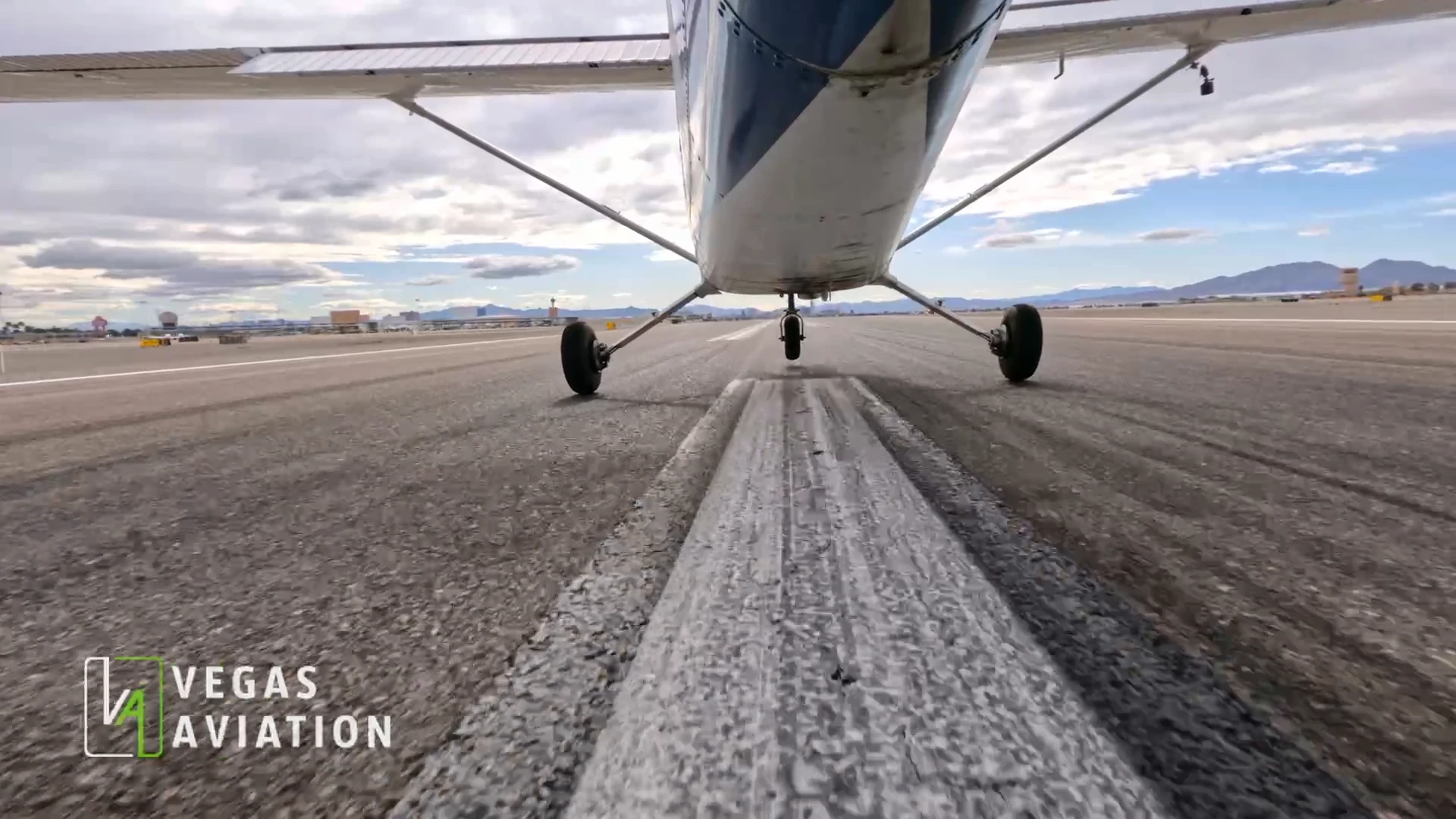
The flight portion is your chance to show calm aircraft control and practical decision-making under observation.
Your instructor can also help you decide where flight simulation fits. Simulator time can be useful for procedures, flows, emergency thinking, instrument scan, and scenario rehearsal when it supports your training plan. It does not replace the required airplane proficiency, but it can make some decision-making habits sharper before you go fly.
Practice Saying No Before the Examiner Has To
One of the most mature things a private pilot applicant can do is make a conservative decision before being cornered by the test. If the airplane has an issue, the weather does not support the planned flight, or your documents are not right, rather than forcing it, the answer is to slow down and make the safe call.
That mindset belongs in your oral prep too. When you answer scenario questions, avoid acting like every flight has to happen. A strong answer may be:
“I would delay for better weather."
"I would reduce fuel or baggage to stay within weight and balance."
"I would choose a different route to avoid terrain, airspace, or weather."
"I would land and reassess instead of pressing on."
"I would call maintenance before accepting the aircraft.”
This is where private pilot checkride prep becomes bigger than the test. You are practicing the judgment you will need after the temporary certificate is in your hand and no instructor is sitting next to you. Our safety-focused training culture is built around that idea: skill matters, but judgment is what keeps skill useful.
Use the Final Week to Get Fresh, Not Frantic
The last week before a flight training checkride is not the time to rebuild your entire training plan. It is the time to get fresh, organized, and honest about the last rough edges. If something is weak, name it early with your instructor so you can fix it directly.
Use a simple final-week rhythm:
- Two or three focused flight lessons
Practice the checkride profile, not random maneuvers. - One oral mock session
Explain weather, airspace, performance, aircraft systems, and risk decisions out loud. - One document review
Verify endorsements, application details, aircraft records, and knowledge test validity. - One rest window
Fatigue can make a prepared student look scattered. - One day-before briefing
Confirm time, location, payment details, aircraft schedule, weather plan, and what to bring.
If you are training in Southern Nevada, build local conditions into your preparation. Heat, density altitude, gusty afternoons, terrain, and busy practice areas all deserve real attention. Our Las Vegas flight training environment gives students useful experience, but only when they learn to brief it instead of treating it as background scenery.
Know What Not to Do
Some checkride habits make students more nervous and less prepared. Avoid these in the final stretch:
- Do not chase secret DPE scripts. Prepare from the ACS and your actual training aircraft.
- Do not memorize answers you cannot explain. The follow-up question will expose the gap.
- Do not hide weak areas from your instructor. The last lessons are where small fixes matter most.
- Do not plan only to the legal minimum. Your instructor is signing for readiness, not just hours.
- Do not let money stress create training gaps. If budget pressure is affecting consistency, talk with us about planning and financing resources.
- Do not treat a discontinuance or reschedule as failure. Weather, aircraft, documents, and safety calls are part of real aviation.
The best checkride prep is calm, specific, and honest. You know the standard. You know the aircraft. You know the route. You know what you will do if the plan changes. That is the mindset we want you to bring into the room and into the airplane.
Bring Your Checkride Plan to Vegas Aviation
If your FAA PPL checkride is getting close, bring us your questions before checkride week turns into checkride panic. We can help you review your training plan, organize your prep, strengthen weak areas, and understand how the oral and practical portions fit together.
Start with one next step: contact Vegas Aviation and tell us you want help preparing for your Private Pilot checkride.


