

Vegas Aviation Team
How to Finance Your Flight Training in 2026
You can be ready to start flying and still pause at the same question every future pilot eventually faces: how am I going to pay for this without losing momentum halfway through training? Flight training financing is not just a loan decision. It is a training decision, a schedule decision, and sometimes a family-budget decision.
At Vegas Aviation, we see the best outcomes when students build a funding plan before they build a lesson schedule. A strong 2026 plan usually blends a few pieces: realistic cost planning, aviation loans when they fit, flight training scholarships, education programs, and a training pace that keeps skills from getting rusty between lessons. If you are comparing your options in Southern Nevada, start with the same mindset you use in the airplane: brief the route before takeoff.
Start With the Real Training Number, Not the Minimum
For a Private Pilot Certificate, the FAA minimum is 40 flight hours, but a budget built only around the minimum can leave you short. Most students need more practice before they are truly ready for the checkride, especially when weather, scheduling gaps, and normal learning curves enter the picture.
Based on our current 2026 planning numbers, a realistic private pilot investment at Vegas Aviation is around $17,000. Your final cost depends on training frequency, proficiency, weather, aircraft availability, and checkride readiness. That is exactly why financing should be planned around the full training path, not one lesson at a time.
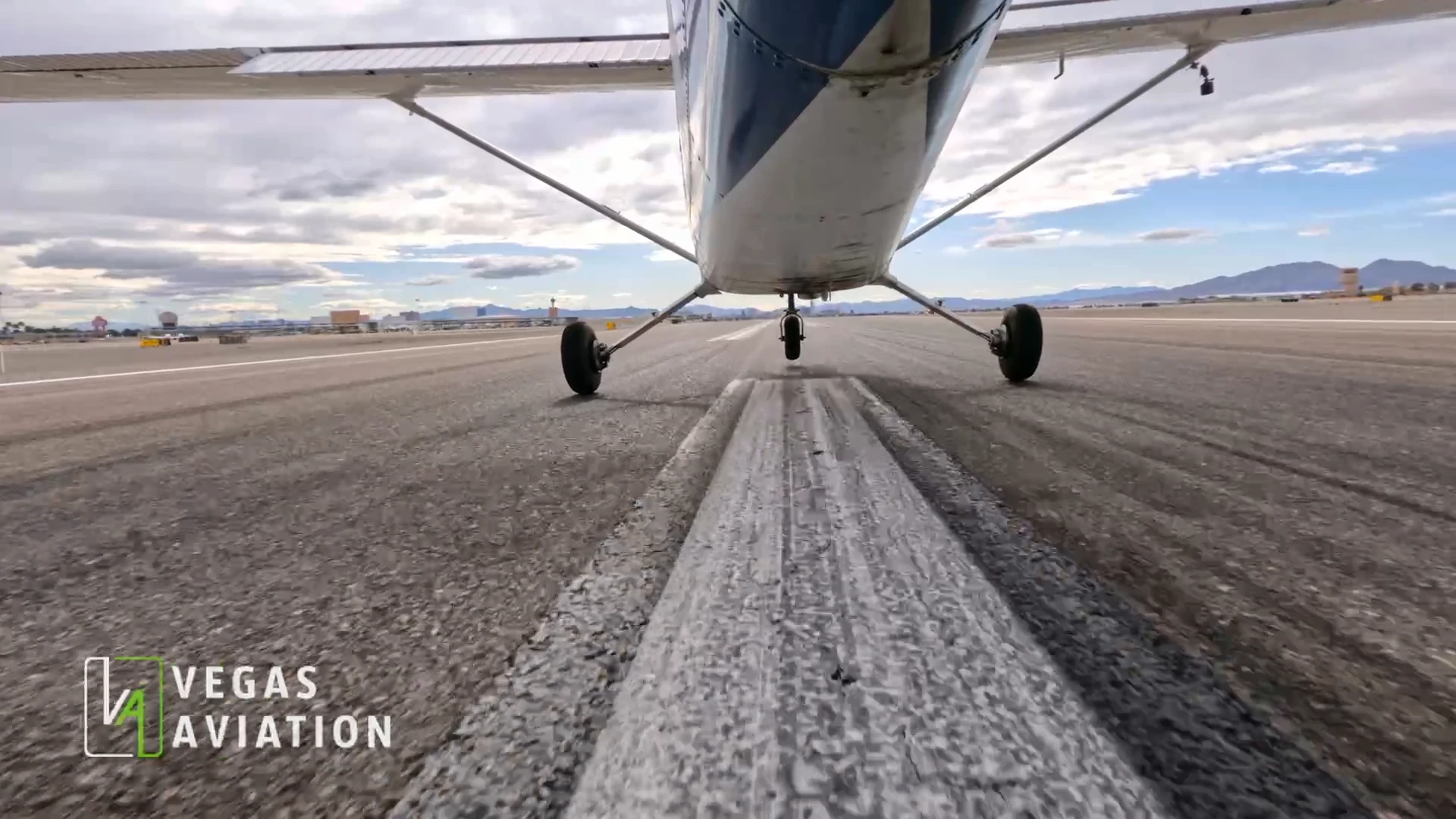
Planning financing that keeps you flying regularly is the best way to avoid training setbacks.
Before you apply for a loan or chase scholarships, write down the full set of expected expenses:
- Aircraft rental and instructor time for dual instruction
- Solo practice after you are endorsed
- Ground instruction and study materials
- Simulator time when it supports the certificate or rating
- FAA knowledge test, medical exam, checkride, and examiner fees
- A cushion for extra practice before the checkride
Our private pilot cost guide breaks those numbers down in more detail. The big idea is simple: if your budget assumes perfection, the first delay can feel like a setback. If your budget assumes real training, you can keep moving.
Compare Loan Options by Training Momentum
Aviation loans can help some students train more consistently. That matters because long gaps between flights often mean spending paid lesson time rebuilding feel, radio rhythm, checklist habits, and confidence. A loan is not automatically the right answer, but it can be useful when it lets you fly often enough to make steady progress through your training.
Our financing partners include aviation-focused options such as Flight Training Finance and AOPA. Some students also compare credit unions, banks, private lenders, or flight-school-specific lenders. Terms, approval, eligible schools, and repayment options vary by lender, so compare the structure instead of chasing one headline number.
For national reference points, AOPA describes its flight training financing as a line of credit for flight training, and Sallie Mae lists flight school loan options for qualifying professional flight school or degree-granting aviation paths. Review current lender pages before you commit:
The practical test is this: will the loan help you train consistently without creating a repayment burden that steals the joy out of flying? If the answer is unclear, slow down and compare the total repayment picture.
Treat Scholarships Like Part of Ground School
Flight training scholarships are competitive, deadline-driven, and worth the effort. The students who do best usually treat applications like a standing assignment, not a last-minute rescue plan. Build a spreadsheet, collect recommendation letters early, draft your aviation story, and keep a calendar of opening dates.
We list many of the more prominent scholarships on our scholarships page, and our team can point you toward local leads when you are building your plan. A strong search should include major aviation organizations, local community groups, and career-specific awards.
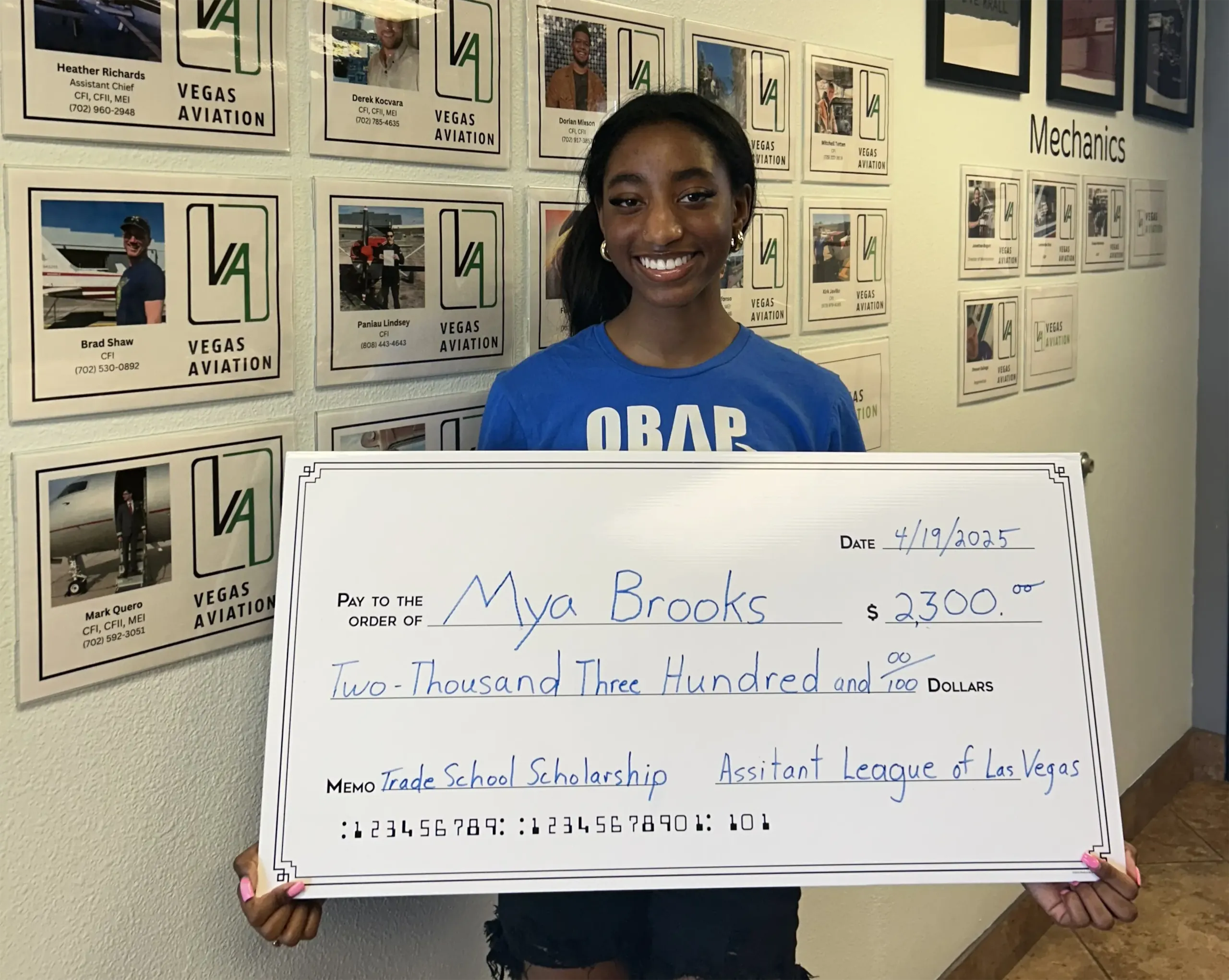
A well-timed scholarship can keep a student moving forward instead of waiting on the next check.
Good places to watch in 2026 include:
- AOPA flight training scholarships, which runs recurring application windows for members
- EAA aviation scholarships, including flight training and post-secondary aviation awards
- Women in Aviation International scholarships, with scholarship categories that change by cycle
- Local groups such as Rotary clubs, Lions clubs, chambers of commerce, veterans’ groups, community foundations, and workforce development boards
Deadlines, eligibility, and award amounts change, so use each provider’s current scholarship page as your final checklist. Then apply wider than you think you need to. A $1,000 or $3,000 award can cover meaningful training time, especially when paired with steady scheduling and disciplined study.
Use Education Programs When College Credit Matters
Some students are only trying to earn a certificate. Others want flight training connected to a college path, career credential, or long-term aviation degree. If that is you, education partnerships can change the funding conversation because the value is not only the flight hour. It is also how that training fits into your academic plan.
We have education partnerships with Purdue Global, College of Southern Nevada, and Rancho High School’s aviation pathway. For eligible students, the Purdue Global pathway can connect completed pilot certificates and ratings with transfer-credit opportunities toward an aviation degree. Eligibility and credit transfer details are determined by the education partner, so review the current program before you build your budget around it.
This route can be especially helpful for students who are thinking beyond the first certificate:
- High school students exploring aviation early
- College-minded pilots who want academic credit tied to training
- Career changers who want a structured long-term plan
- Future instructors or commercial pilots mapping multiple certificates and ratings
If your goal includes commercial pilot training or becoming a certified flight instructor, ask us to help you map the sequence before you choose a funding route. The order matters because private pilot, instrument, commercial, and CFI training each have different cost patterns.
Build a Funding Stack That Keeps You Flying
The strongest plan is rarely one funding source. A better approach is a funding stack: the combination of savings, scholarships, loans, family support, work income, discounts, and education pathways that lets you train at a healthy pace.
Here is a simple way to build yours before you enroll in flight training:
- Choose your first goal: Private Pilot Certificate, Instrument Rating, Commercial Pilot, or another path.
- Write down the realistic training estimate, not only the legal minimum.
- Decide how often you can fly each week.
- Set a cash reserve for extra lessons, retesting, or weather delays.
- Compare financing options by total repayment cost and training momentum.
- Apply for scholarships on a calendar, not only when money feels tight.
- Review education partnerships if college credit is part of your plan.
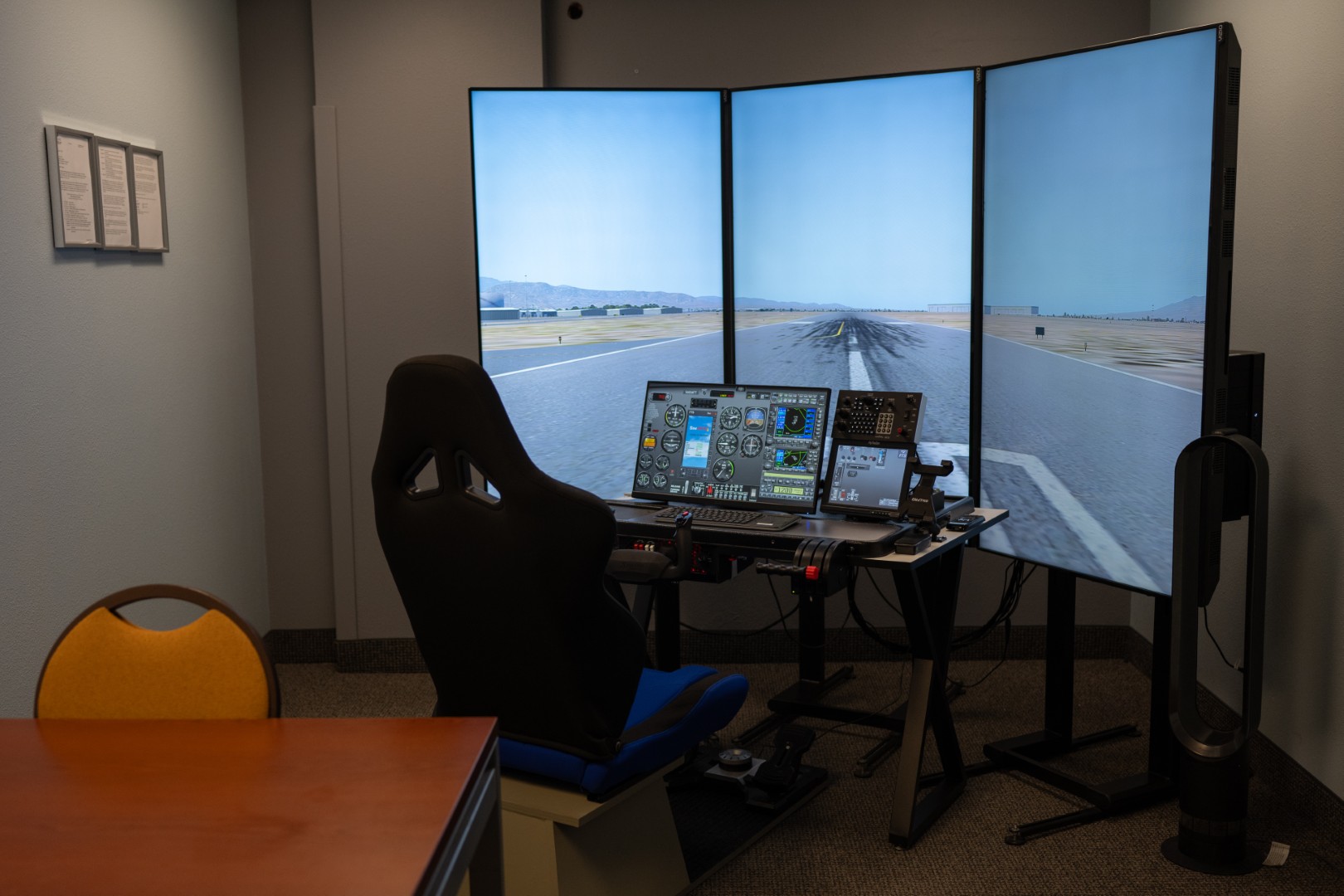
Simulator time is one of the smart ways to make each lesson more efficient and keep your skills sharp.
Also look for smart ways to control cost without cutting training quality. Flying two or three times per week when your schedule allows, showing up prepared, using simulator time where it supports the lesson, and keeping a consistent study habit can reduce the amount of paid time spent relearning old material. Our flight simulation training can be part of that conversation when it fits your certificate or rating.
Avoid the Expensive Financing Mistakes
The wrong funding plan can make flight training feel harder than it needs to. Before you sign anything, slow down around these common traps:
- Borrowing only enough for the FAA minimum
That creates pressure right when you need calm, focused practice. - Ignoring repayment while dreaming about the finish line
A pilot certificate is exciting but the monthly payment still needs to fit your life. - Waiting too long on scholarships
Many scholarship windows close months before students think to apply. - Training too slowly to retain skills
A cheaper monthly pace can become more expensive if every lesson begins with review. - Comparing schools only by hourly rate
Aircraft availability, instructor fit, maintenance, scheduling, and training consistency all affect the real cost.
For Las Vegas students, the best plan is the one you can actually follow. A budget that keeps you flying consistently at North Las Vegas Airport is usually more useful than a perfect spreadsheet that falls apart after three lessons.
Bring Us Your Numbers and We Will Help You Plan
You do not need to have every answer before you talk with us. Bring your goal, your rough budget, your timeline, and the funding options you are considering. We can help you compare the training path, understand where financing and scholarships fit, and choose a first step that keeps your aviation goal moving.
Start with one primary next step: contact Vegas Aviation and tell us you want help building a 2026 flight training financing plan.


